Find the right cable for the connection you actually need.
Compare connector type, bandwidth, charging, data speed, length and compatibility.
Connector · bandwidth · charging · data speed · length · compatibility
Start with a decision
Tools
Latest guides
Long PoE Run Voltage Drop Explained
Long Power over Ethernet (PoE) runs can lose voltage as current travels through conductor resistance. Learn how cable length, conductor size, PoE load, temperature, and installation affect reliable power delivery.
Read guideEthernet Cable Near Power Cables
Ethernet cable can run near power wiring, but the safe and reliable approach depends on parallel distance, crossing points, cable construction, PoE load, and local electrical rules. This guide explains how to plan separation without relying on a misleading one-size-fits-all distance.
Read guideEthernet Cable Through Walls: What to Check
A permanent in-wall Ethernet run depends on more than the RJ45 plug. Check the route length, target speed, PoE load, conductor construction, jacket rating, and termination method before pulling cable.
Read guidePlenum vs Riser Ethernet Cable
Choose between CMP plenum and CMR riser Ethernet cable based on the building pathway, not just the RJ45 connector or Cat rating. This guide covers fire ratings, PoE, conductor choices, length, and installation checks.
Read guideDirect Burial Ethernet Cable Explained
Direct burial Ethernet cable is designed for underground installation, but the right choice still depends on distance, network speed, PoE load, conductor quality, and local installation rules. This guide explains what to check before buying or burying a run.
Read guideOutdoor Ethernet Cable Explained
Choose outdoor Ethernet cable by distance, network speed, PoE load, and exposure—not by connector shape alone. This guide explains jacket ratings, conductor choices, installation limits, and long-run checks.
Read guideCopper vs CCA Ethernet Cable
Copper-clad aluminum (CCA) Ethernet cable may cost less, but its higher resistance makes it a poor choice for standards-compliant networking and PoE. Learn how conductor material, gauge, cable rating, and installation conditions affect a long run.
Read guide24AWG vs 26AWG Ethernet Cable
24 AWG Ethernet cable uses thicker conductors than 26 AWG, which generally means lower resistance, better voltage performance for PoE, and less flexibility. The right choice also depends on cable category, conductor material, length, construction, and installation environment.
Read guideDoes Ethernet Cable Gauge Matter for PoE?
Ethernet cable gauge affects PoE voltage drop, conductor heating, and the usable margin on long or heavily loaded runs. Choose the cable based on run length, negotiated PoE load, conductor material, cable construction, and installation environment—not gauge alone.
Read guideBrowse cables
HDMI, USB, networking and fibre cables.
Popular filters
Recently added
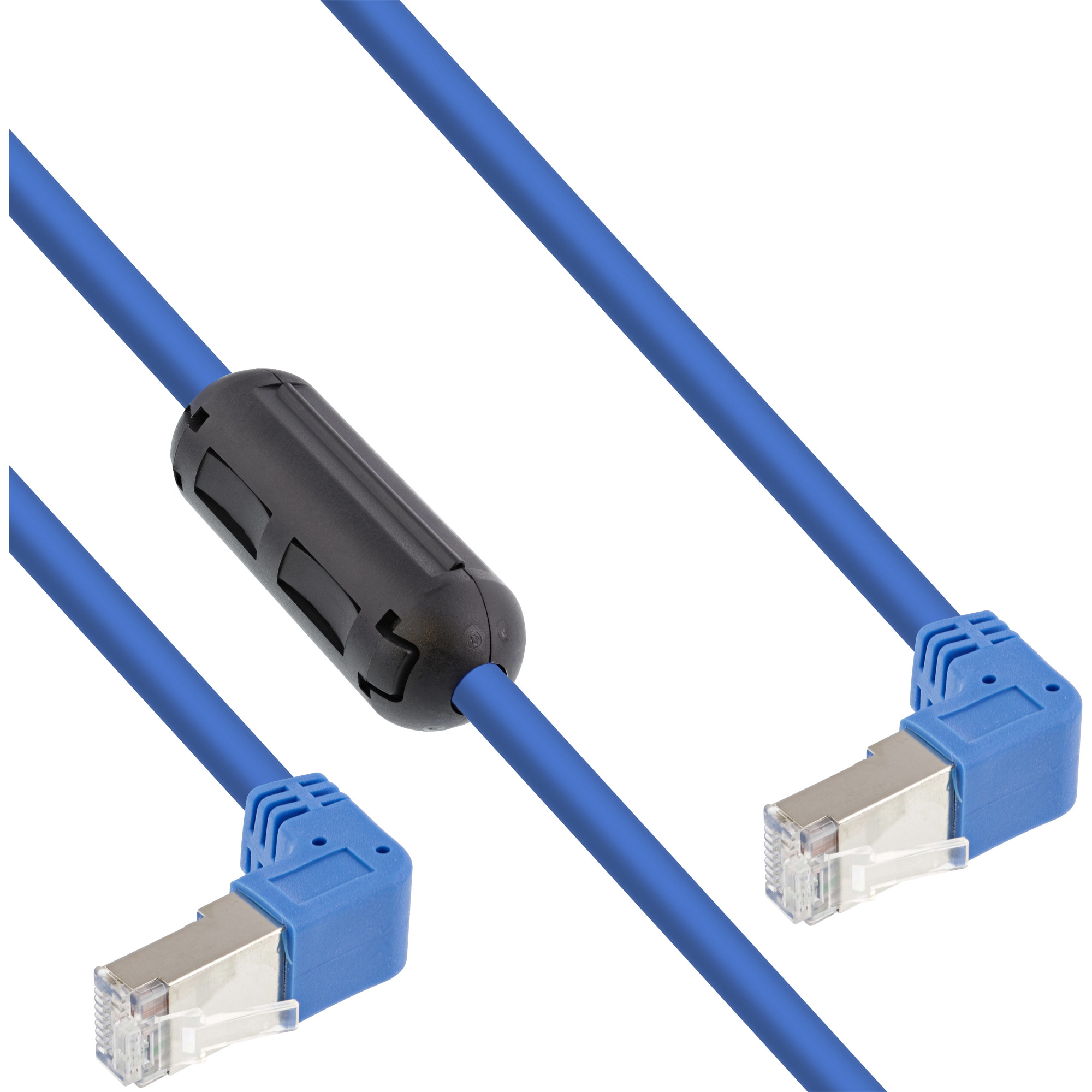
InLine Patch cable two side down angled, S/FTP (PiMf), Cat.6, PVC, blue, 1.6m
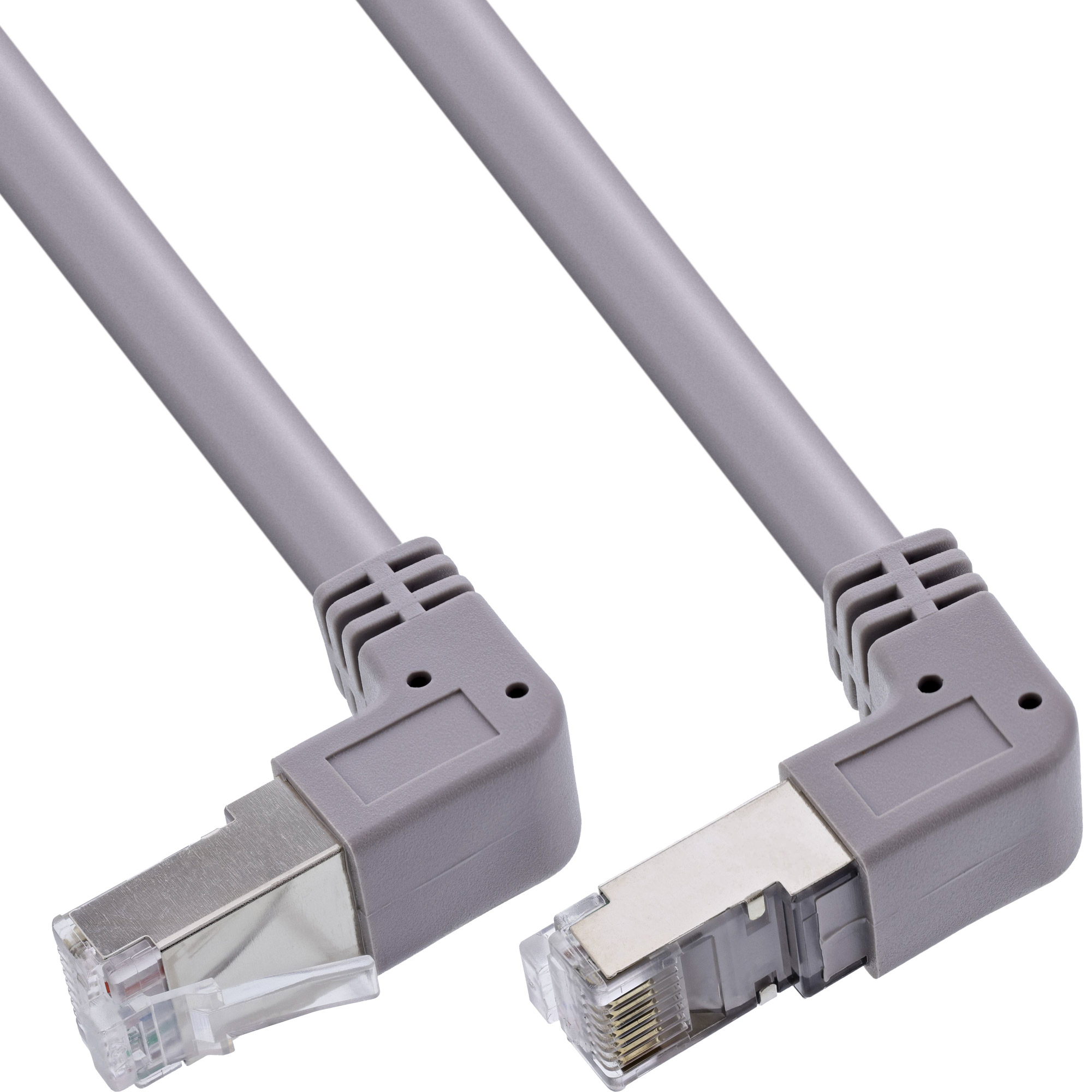
InLine Patch cable up/down angled, S/FTP (PiMf), Cat.6, PVC, copper, grey,2.67m
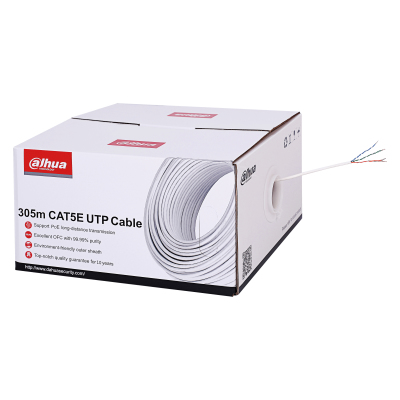
Dahua Technology PFM920I-5EUN networking cable White 305 m Cat5e U/UTP (UTP)
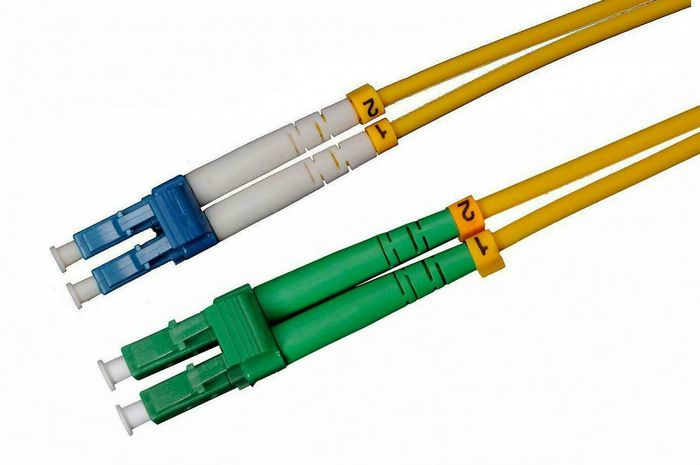
Microconnect FIB4390012 InfiniBand/fibre optic cable 12 m LC Yellow
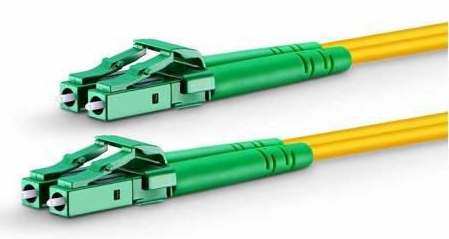
Microconnect FIB6330030 InfiniBand/fibre optic cable 30 m LC LC/APC Yellow
Microconnect FIB6330015 InfiniBand/fibre optic cable 15 m LC LC/APC Yellow
CableFit uses structured product specifications to help compare cables and make practical decisions. Missing specifications stay unknown.